
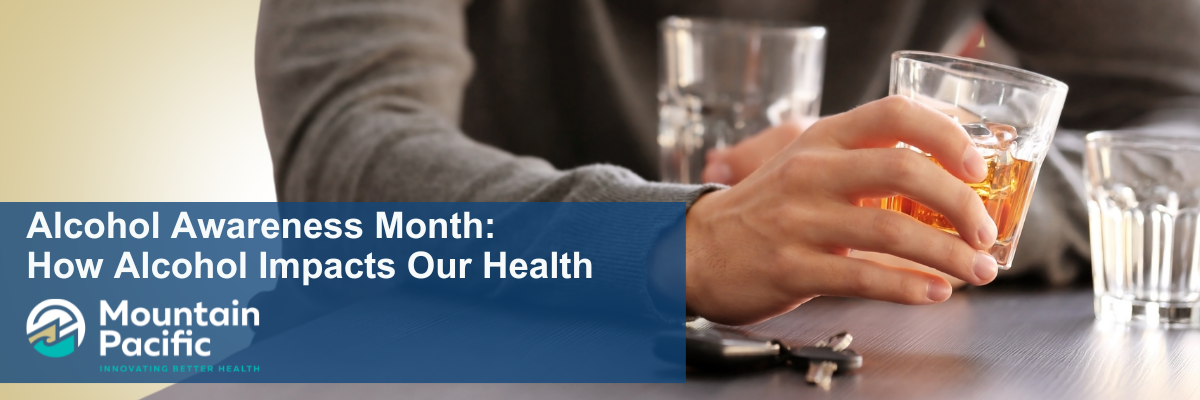
April is Alcohol Awareness Month, a time to shed light on the impact alcohol can have on our health and better understand alcohol use disorder (AUD). One in 10 Americans has AUD, and AUD can effect people from all walks of life and all ages. We should all know the dangers of alcohol and AUD, recognize the signs of alcohol abuse and know how to support those in need.
Effects and Dangers of Alcohol
Alcohol not only affects our health but can also have big impacts on our weight and finances. One alcoholic drink a day can add 1,000 or more calories to our diet each week and cost $100 or more every month. Using alcohol calorie and cost calculators help tally how alcohol use adds up.
Alcohol dehydrates the body, which can cause or worsen oral health issues like bad breath, gingivitis and tooth decay. Dehydration can also cause the face and body to bloat, and alcohol use may increase the risk of skin conditions like rosacea, psoriasis and acne.
Drinking too much alcohol can take a serious toll on almost every part of our body. Alcohol impacts how our brain works. It can also hit our organs hard, damaging our heart, liver and pancreas. According to the National Cancer Institute, excessive alcohol use is connected to the cause of several types of cancer. High alcohol consumption also increases the risk of dying from all causes of death, and drunk driving killed between 2022 and 2023. High alcohol consumption is also considered the greatest risk to avoidable death
People can become dependent on alcohol. Alcohol use disorder is a medical condition where a person has trouble stopping or limiting their alcohol use, even if drinking alcohol causes problems with family, friends, work, school or their health. AUD is a brain disorder. It can be mild, moderate or severe and is a chronic condition that can get worse over time, affecting the individual, their family, friends and community.
Symptoms of AUD
A sign of AUD is not being able to stop or control how much we drink, but other symptoms can also indicate a problem. Mild AUD is indicated by two to three of these symptoms. People with four to five symptoms have moderate AUD. Severe AUD is indicated by six or more. People who experienced any of these symptoms in the past year should consider talking with a health care provider about alcohol and AUD.
Find a full list of symptoms at Rethinking Drinking’s What are the Symptoms of AUD. If you or a family or friend experience any of these symptoms, it is time to get help.
Controlling AUD and the Urge to Drink
People with AUD deal with two types of triggers. External triggers are the people, places, things or times of day that offer an opportunity to drink. These triggers are easy to recognize and can be easy to avoid. Internal triggers are the thoughts or emotions that seem to “randomly” bring up the urge to drink. Use coping strategies to deal with them. For example:
Ready to talk with someone about alcohol use? Counseling, cognitive-behavioral therapy and medication-assisted treatment (MAT) are among some of the proven methods to treat AUD. Talk with a counselor or health care professional, or call 1-800-662-HELP (4357) to reach the Substance Abuse and Mental Health Services Administration (SAMHSA) free, 24-hour, confidential hotline.
For more information, check out some of these resources:




No Current Comments