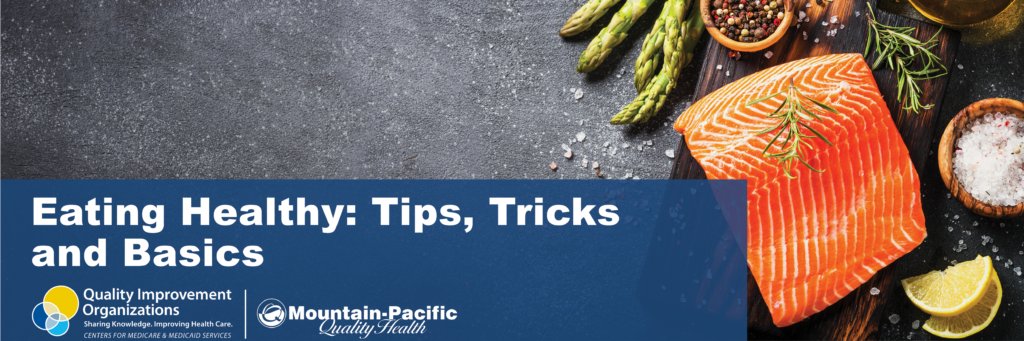
Eating healthy isn’t always easy, especially when on the go, living with picky eaters or living on a budget. But it is possible—with a little research and pre-planning.
Eating healthier can lead to a longer, healthier life for you and your family and reduce your risk of chronic conditions such as heart disease, stroke, diabetes and more.
Creating new habits and identifying problem foods in your current diet is the first step to eating healthy. By taking some simple steps, you can be on your way to eating food for a healthy life. Below are some tips to help you with your healthy eating journey:
- Eat breakfast and healthy snacks during the day: A good breakfast followed by light snacking throughout the day will help cut calories and reduce food cravings later at night. Avoid eating at night after dinner. Eat healthy snacks like almonds, carrot sticks, grapes, popcorn, yogurt, dried fruits, etc. Be sure to read labels and do your research to make sure what you are snacking on is as healthy as you think it is!
- Eat more greens: The world of greens goes beyond lettuce; kale, broccoli, cabbage and mustard greens are packed with calcium, magnesium, iron, zinc and vitamins.
- Eat more vegetables and fruits: Sweet vegetables such as corn, carrots, beets, yams and sweet potatoes will help you curb your cravings for sugars and are filled with valuable nutrients. Fruits are also tasty, high in fiber and can help offset those sugar cravings, too.
- Eat seafood and fish more often: Seafood and fish (salmon, tuna, trout, etc.) have valuable proteins, minerals and omega-3 (good) fatty acids. Try to eat seafood and fish once a week.
- Pick the right fat: Whenever possible, replace butter and solid fats with liquid vegetable oils such as canola, corn, olive, safflower, sesame and sunflower oils.
- Don’t fry your foods: Roasting, grilling, baking and steaming are all healthier options that don’t add solid fat to your meals.
- Eat whole grains: Whole-grain pastas, whole-wheat bread, brown rice and cereals that contain whole grains are packed with nutrients, including fiber, proteins, vitamins and minerals.
- Cook at home: Having control over ingredients and portion sizes matters. That is why cooking at home can build better habits than eating out at restaurants. Get great recipes and tips at heart.org/recipes.
- Choose lean protein foods: Select lean ground beef (label says 90% lean or higher) and eat more turkey breast and chicken breast. Lean beef, turkey and chicken are packed with protein that helps build tissue, cells and muscle.
- Cut sodium (salt): Use less salt in your meals. Substituting other spices for salt can add flavor without sodium. Also look for foods with labels that read low sodium, reduced sodium or no salt added. Too much sodium may cause high blood pressure.
- Cut or reduce liquid sugars: Soda pop, sugary fruit drinks and iced teas with sugar are examples of liquid sugary drinks.
- Drink (more) water: The national recommendation is to drink eight glasses of water a day. Try adding a lemon or orange slice to jazz up the flavor.
- Have a picky eater? Involve them in the process of selecting and making food. Offer fruits and vegetables when they are really hungry and might be more open to trying the food placed in front of them. Find more tips for picky eaters at https://www.heart.org/en/healthy-living/healthy-eating/eat-smart/nutrition-basics/5-tips-to-deal-with-picky-eaters-both-kids-and-adults.
- On a budget? Plan ahead to find healthy recipes and map out meal plans. Use a grocery list or meal-planning app to stay on task (and budget) when hitting the grocery store. Freeze extra portions for easy lunches or on-the-go dinners. Cut up and bag fruits and vegetables, so they are ready to grab out of the fridge!
Resources and support
There are unlimited resources on how to start eating healthy, from websites to blogs to Facebook pages. Support groups are all over social media as well. Do the research and find the group or community that will best fit your need. If your spouse or a friend wants to eat healthier, why not develop a buddy system and work on your goals together? Create an eating game plan and stick to it! Lastly, trying a new recipe every week could also be a fun way to start eating healthy.
The American Heart Association© has great resources, from grocery lists to cooking tips, that can help you with your path to healthy eating.
Take the time now to improve your health tomorrow and in the future by making better choices about what you eat and drink.
This material was prepared by Mountain-Pacific Quality Health, a Medicare Quality Innovation Network-Quality Improvement Organization (QIN-QIO), under contract with the Centers for Medicare & Medicaid Services (CMS), an agency of the U.S. Department of Health and Human Services (HHS). Views expressed in this material do not necessarily reflect the official views or policy of CMS or HHS, and any reference to a specific product or entity herein does not constitute endorsement of that product or entity by CMS or HHS. 12SOW-MPQHF-AS-CC-01/22-209





No Current Comments