
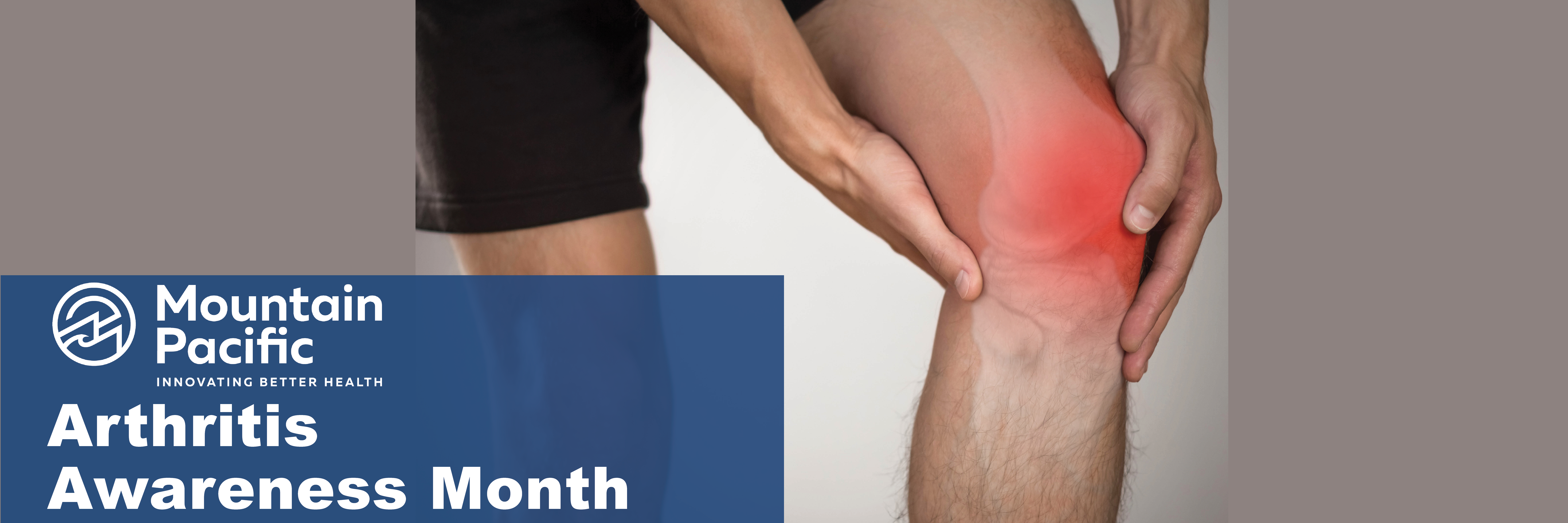
Arthritis is the swelling of one or more joints and describes more than 100 conditions.
Symptoms of arthritis include:
The most common form of arthritis in the United States is osteoarthritis, a degenerative joint disease in which the tissues in the joint break down over time – most common in older people. This may be the reason people view arthritis as a normal sign of aging, but according to the 2019-2021 National Health Interview Survey, about one in every four adults 45 to 64 years of age, younger people of working age, reported doctor-diagnosed arthritis.
Other common forms of arthritis include:
Arthritis can cause major disruptions in your everyday life.
The 2011-2013 and 2016-2018 National Health Interview Survey found out the following about arthritis:
For people who live in rural communities, arthritis affects one in three adults, and more than half of these adults reports being limited in their activities because of their arthritis.
Disabilities and limitations can vary, but the nine common daily activities many people report as “very difficult” or that they “cannot do” due to arthritis are:
Arthritis is a leading cause of chronic pain. According to the National Health Interview Survey, in 2014, 14.6 million adults reported severe joint pain due to arthritis, and it is projected to affect 78.4 million adults by 2040.
Opioid use is common among people with arthritis. In 2022 8.5 million Americans admitted they misuse prescription pain relievers in the past year. Managing arthritis without opioids is possible through physical activity, non-opioid medications and self-management education programs.
If you have joint pain and other arthritis symptoms, get an accurate diagnosis as soon as possible so you can start treatment.
Arthritis treatment focuses on reducing pain, minimizing joint damage and improving or maintaining function and quality of life.
Learn more about arthritis and how it is diagnosed.
For people with arthritis, being physically active has been shown to reduce pain by up to 40%.
Physical activity can also improve function, mood and quality of life for adults with arthritis. It can also help with other chronic conditions such as heart disease and diabetes, contribute to improved sleep and support both bone and brain health.
Learn more about physical activity and arthritis.
Joint injuries can cause or worsen arthritis.
Be sure to choose low-impact activities that are easy on the joints like walking, bicycling and swimming. These activities have a low risk of injury as they do not twist or put too much stress on your joints. To prevent or minimize joint injuries, be sure to wear protective equipment and avoid repetitive motion.
Be informed about how to exercise safely with arthritis.
Joining a self-management education workshop can help you learn the skills to manage your arthritis and make good decisions around your health.
Learning strategies to manage your arthritis can help you feel more in control of your health, reduce your stress and manage your pain and other symptoms so you can keep up with activities you want to do.
Find out about self-management programs by looking at the list of U.S. Centers for Disease Control and Prevention (CDC) partner organizations for arthritis and learning more about CDC lifestyle management programs.
Losing excess weight reduces stress on joints, especially weight bearing joints like hips and knees.
Low-impact, arthritis-friendly physical activity combined with a healthy diet can help you lose weight at any age. Losing as little as 10 to 12 pounds can reduce pain and improve physical function for people with arthritis.
Find out more about maintaining a healthy weight.
Reference: https://www.cdc.gov/arthritis/




No Current Comments