
Communities across the country are emerging from COVID-19 stay-at-home orders at different rates, leaving many concerned about keeping older residents and other high-risk community members safe.
June is National Safety Month, an annual observance that spotlights safety in the workplace. This year, on-the-job safety is especially focused on good health. While feeling as safe as possible at work is always important, in nursing homes, safety precautions are not only for those who work there, but also for those who live there.
To commemorate National Safety Month, here are some tips as to how you can do your part to protect nursing home employees, nursing home residents and yourself.
Physical distancing and quarantining help stop the spread of the novel coronavirus responsible for the COVID-19 pandemic. Many nursing homes have changed their visitation policies to keep the residents who live there safe and healthy. Staff are also stepping up their cleaning and disinfecting routines and keeping a close eye on residents for any signs of COVID-19 symptoms.
How can you do your part to keep these vulnerable loved ones and the staff who care for them safe?
Respect facility policies – Not getting to visit nursing home residents in person is tough on everyone. But in-person visits might be dangerous—or even fatal—not only for your loved ones and their neighbors, but also for the staff who work there, who have frequent contact with residents.
According to the Centers for Disease Control and Prevention (CDC), as of the first week of June, there have been nearly 200,000 confirmed or suspected COVID-19 cases in nursing homes. Of those, just under 25,000 nursing home residents have died—accounting for one in every four deaths from the pandemic in the United States.
Before going to a nursing home, visit its website or call ahead to talk to a staff member to find out its current visitation policies. If the facility is not allowing visitation, stay away. If it has limited visitation (outdoor visits, for example) follow the rules the facility has in place. Remember: These policies are part of the nursing home’s efforts to take care of its staff and keep the residents in its care as safe and healthy as possible.
Stay in touch – Physical distancing and quarantine do not have to result in social isolation. It is important to nursing home residents’ emotional health and wellbeing to feel connected to the outside world.
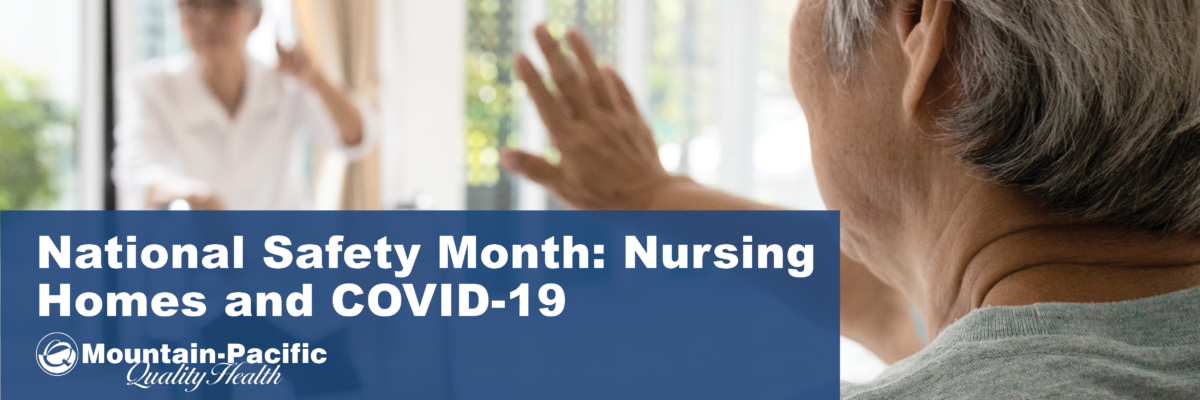
Consider using other options for staying in touch with your loved one staying in a nursing home. Video chat, email, phone calls, greeting cards and letters are all safe ways to stay connected. Media outlets have shared stories about family members and friends doing “walk-up window visits,” bringing signs or talking on the phone while sitting outside facilities, seeing their loved ones through the window.
If you are not sure how to keep in touch with a nursing home resident during restricted visitation, ask someone at the nursing home or facility what you can do to visit with a loved one.
Stay informed – One of the best things you can do right now to support nursing home residents and staff is to pay attention to communication from the nursing home. You can also ask questions to make sure you understand the latest news from the nursing home, including whether the facility has any confirmed or suspected cases of COVID-19. AARP suggests these six questions:
Diligence keeps people healthy, including employees and staff who are back at work and interacting with the public. If you are going into businesses or returning to work yourself, the Occupational Safety and Health Administration (OSHA) has some general recommendations for preventing COVID-19 (many of these should sound familiar):
Most importantly, if you are sick—stay home.




No Current Comments