For some of us, uncertainty, isolation and fear are the toughest part of dealing with the coronavirus pandemic (COVID-19). The disease has caused waves of panic, as people rush to stores to stock up on supplies, clearing shelves and bringing about nationwide shortages of disinfecting wipes, toilet paper and other household essentials.
It’s not surprising a pandemic makes people feel helpless and afraid. And while we all try to deal with this time of crisis the best we can, those who struggle with alcoholism, or alcohol use disorder (AUD), are among a high-risk group that especially needs social support.
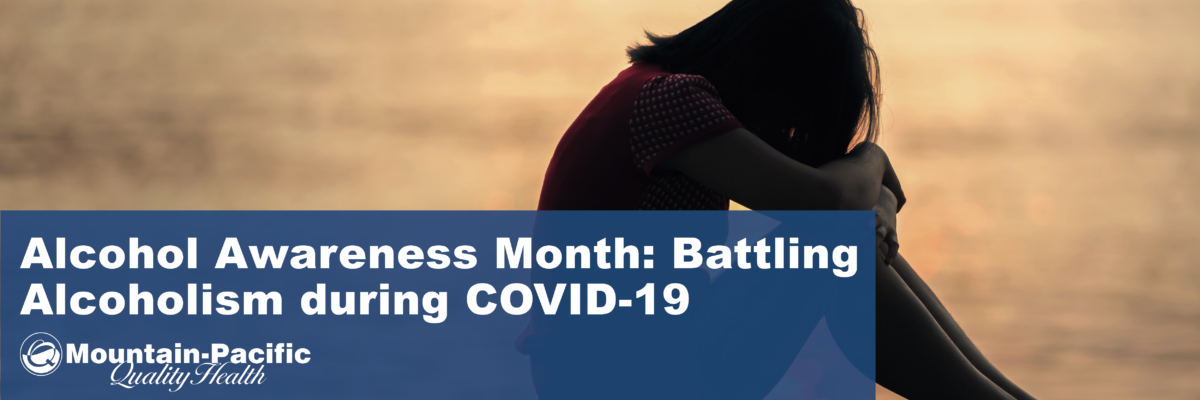
April is Alcohol Awareness Month. This annual effort generally works to bring awareness to the stigma that shrouds alcoholism and other substance use disorders. This year, however, Alcohol Awareness Month provides the opportunity to help those who have been cut off from their recovery support systems. According to Alcohol.org of the American Addiction Centers (AAC), people with an AUD have an increased risk of catching the new coronavirus and could currently be experiencing anxiety and loneliness.
Studies show a connection between alcohol and a weakened immune system. People who drink every day or almost every day are more susceptible to catching illnesses like a cold, the flu—and COVID-19. The CDC warns people at high-risk (older adults and people with serious underlying conditions or weakened immune systems) can experience more severe COVID-19 symptoms, leading to hospitalization or even death.
According to researchers, almost one in five people with an anxiety or panic disorder turns to alcohol to self-medicate, and of those, one in five develops an AUD.
If you are dealing with feelings of anxiety,
If your feelings of anxiety persist or impact how you’re able to function during the day, call your primary care provider for help. If you have an AUD and need help, call a doctor or a therapist or seek out one of the following options for support.
Most states have implemented stay-at-home orders, following the Centers for Disease and Control and Prevention (CDC)’s advice to practice physical distancing. These orders often ban the congregation of 10 or more people. While physical distancing takes aim at minimizing the spread of COVID-19, it could have an adverse effect on people with an AUD. For many in recovery, a support system of friends, families, therapists, peers or other social help reduces the chance of a relapse.
The good news: Technology is helping people connect with friends and family, and health care providers and support organizations are providing virtual treatment.
Social media platforms and free apps provide platforms for families and loved ones to keep in touch while staying at home. Check out Facebook Messenger, WhatsApp, Zoom, FaceTime, Skype, Google Hangouts, Marco Polo or another app or platform that allows for video and audio. You can see and talk with an individual friend or family member or set up a group chat to talk to several loved ones at once.
According to the National Institute on Alcohol Abuse and Alcoholism (NIAAA), many health care professionals have been offering treatment for alcoholism using phones or video for years, and many more are offering the option during COVID-19. This is called telehealth or telemedicine. Find a treatment program by going to the NIAAA website and searching for “telehealth” or “telemedicine.”
The NIAAA also offers a list of options for support groups, including the most common help group Alcoholics Anonymous®. Alcoholics Anonymous® organizers are providing virtual support with online meetings, emails, phone calls and social media.
If you have been diagnosed with an AUD and are in distress and may relapse, or if you feel you are no longer in control of your use of alcohol, you can get help, even in the midst of a pandemic.
The Substance Abuse and Mental Health Services Administration (SAMHSA) provides a list of programs and initiatives. You can also get help by calling SAMHSA’s National Helpline at 1-800-662-HELP (4357). For teletype (TTY), call 1-800-487-4889. The helpline is free, confidential and available every day, all day and night.
AAC’s Alcohol.org also has a helpline, offered at no cost, to help find a treatment center that is right for you. This helpline is also open 24/7, 365 days a year. Call 1-866-329-1936.
Don’t wait. Accessing the health care you need is considered an “essential activity,” which means you can get help right now, even while practicing physical distancing or obeying a stay-at-home order. Talk with your doctor or access one of the resources mentioned today.
Read our other COVID-19-related articles for more information on this topic:




No Current Comments